
Exploring the Advantages and Disadvantages of 401(k) Loans
Understanding 401k Loan Benefits and Risks
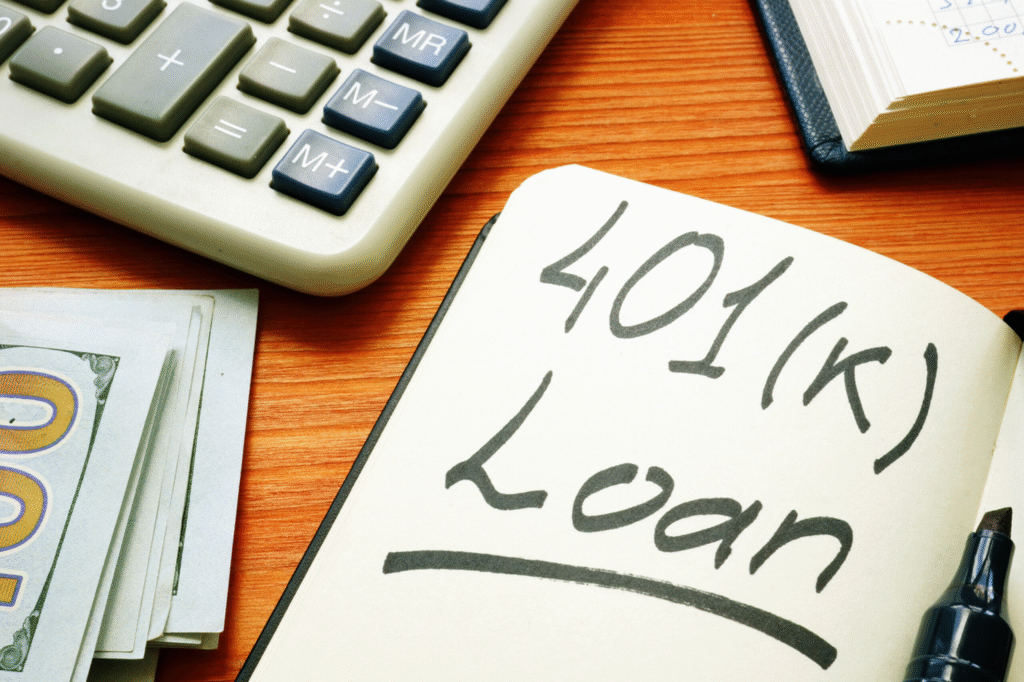
When unforeseen costs come up, whether for medical expenses, home repairs, or consolidating debt, many individuals seek quick cash solutions. For those with a 401(k) retirement plan, one possible avenue is to borrow against their own savings via a 401(k) loan.
Although this option may seem tempting, it’s crucial to consider it carefully. A 401(k) loan presents both advantages and disadvantages that can impact your financial situation, both now and later.
This article will delve into the key benefits and drawbacks of 401(k) loans, helping you to make a well-informed decision.
Defining a 401(k) Loan
A 401(k) loan lets you tap into your retirement savings, allowing you to borrow up to 50% of your vested balance or a maximum of $50,000, whichever is lower. Instead of taking a loan from a bank, you’re borrowing from your own funds.
You’ll repay this loan via payroll deductions, which includes interest, generally over a five-year timeframe (although longer periods may be available for loans used to purchase a primary home).
Key Benefits of 401(k) Loans
With a clearer grasp of these loans, let’s delve into their primary benefits. Below is a concise list of what you can expect!
1. Quick Access to Cash
A key benefit of a 401(k) loan is its simplicity. You won’t face a long application process, credit checks, or lengthy waiting times for approval.
If your workplace provides this option, you can typically withdraw funds swiftly, sometimes in just a few days.
2. Lower Rates Than Other Loans
The interest rates for 401(k) loans are frequently less than those for credit cards or personal loans. While they can vary, they’re usually linked to the prime rate plus one or two percentage points.
This makes a 401(k) loan a more affordable option for consolidating high-interest debt.
3. Investing in Your Future
Rather than making interest payments to a financial institution, you’re essentially paying yourself. The interest you contribute returns to your retirement savings, helping to balance out any potential investment growth loss while you repay.
4. No Effect on Credit Rating
Since taking out a 401(k) loan doesn’t require a credit evaluation, it won’t harm your credit rating when you borrow.
This is especially beneficial if you’re trying to boost your credit or need cash without incurring another credit check.
Drawbacks of 401(k) Loans
1. Threat to Your Retirement Funds
The primary disadvantage lies in how it can affect your retirement outlook. When the funds are withdrawn, they aren’t working for you.
This could mean missing out on valuable years of market growth and the power of compound interest, which can significantly impact your savings over time.
2. Risks of Repayment After Job Change
If you part ways with your employer, either voluntarily or due to termination, you might have to pay back the full loan within a brief period (typically 60 to 90 days).
If that’s not an option, the remaining balance may be considered a distribution, which could result in income taxes and possibly a 10% penalty for early withdrawal if you’re under 59½.
3. Interest Subject to Double Taxation
Even though the interest returns to your account, you’re using after-tax income to pay it. When you eventually withdraw those funds during retirement, they will be taxed again.
This concept of “double taxation” renders the loan less effective than it may initially appear.
4. Lower Contributions During Repayment
Often, borrowers decrease their 401(k) contributions while settling loans due to cash flow challenges or restrictions from their plans. This further impacts long-term retirement savings.
5. Illusion of Safety
Easy access to retirement savings can foster a tendency to regard your 401(k) as a secondary savings account.
This behavior undermines the core objective of retirement planning, leading to repeated borrowing that jeopardizes your savings.
Concluding Insights
While a 401(k) loan might seem like a quick fix for urgent financial issues, it carries risks that could jeopardize your long-term retirement plans.
On the bright side, it provides fast cash, lower interest rates, and doesn’t affect your credit score. However, you may miss out on investment gains, struggle with repayments if you change jobs, and face double taxation on the interest.
Before making a choice, consider your current needs versus your long-term objectives. If you can, talk to a financial advisor to look into alternatives and make sure you’re safeguarding both your present situation and your retirement aspirations.

Conteúdo Recomendado
The Surge of Lifestyle Loans: A Modern Borrowing Phenomenon
Discover loans designed for everyday luxuries! Learn about this borrowing option gaining popularity in America.
Continuar Lendo * You will remain on the current site The Surge of Lifestyle Loans: A Modern Borrowing Phenomenon
Continuar Lendo You will remain on the current website