
Strategies for Improving Your Credit Score: 9 Ways to Boost It in the U.S.
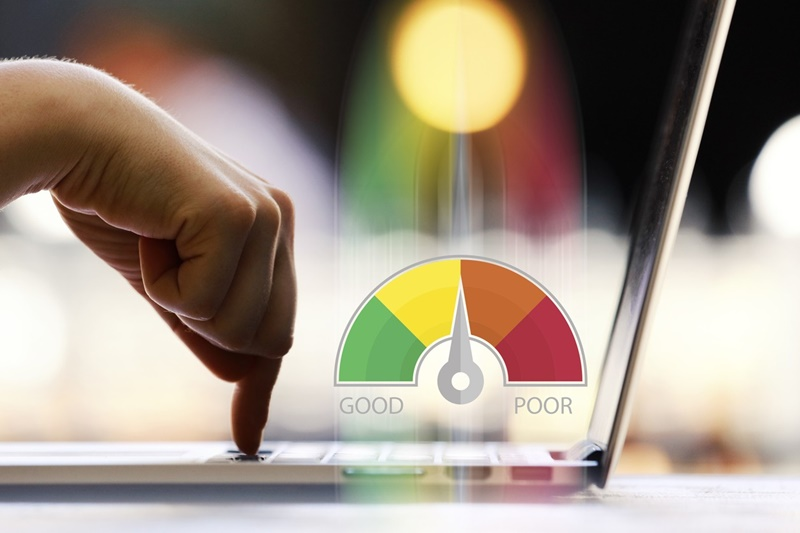
Keeping a healthy credit score in the U.S. is crucial for your financial well-being. It affects your chances of getting loans, obtaining a mortgage, renting a home, and even securing certain jobs.
However, sometimes unforeseen circumstances such as missed payments, high credit usage, or financial struggles can cause your credit score to drop.
The silver lining? A dip in your score doesn’t have to last forever. With persistent effort and wise financial decisions, you can restore your credit standing. Here are 10 practical tips to help you boost your credit score and take charge of your financial life.
1. Always Pay Your Bills on Time
Your payment history accounts for 35% of your FICO score. Just one missed payment can severely impact your score. To prevent this:
- Set up autopay for bills
- Utilize reminders for payments
- Reach out to creditors if unable to pay
Staying consistent is crucial; paying on time helps your score bounce back.
2. Lower Your Credit Card Balances
Keeping your credit utilization low is vital. Try to maintain your balances under 30% of your total credit limit.
For instance, with a $10,000 limit, keep your usage below $3,000. Paying down high-interest cards first can significantly boost your score.
3. Keep Old Accounts Open
While it might be tempting to shut down unused credit cards, doing so could negatively impact your credit history and limits. These elements are crucial for your credit score.
Instead, keep those old accounts active (as long as they don’t have annual fees) to enhance your credit profile.
4. Broaden Your Credit Types
Maintaining a variety of credit types, like credit cards, auto loans, and personal loans, demonstrates to lenders that you can manage different kinds of debt effectively.
If your credit profile consists of just one account type, adding another responsibly—like a secured credit card or a credit-builder loan—can be beneficial.
5. Talk to Your Creditors
If you’re facing late payments or have accounts in collections, consider discussing options with your creditors. They might agree to a ‘pay for delete’ deal, which clears negative entries from your report after you settle the debt.
Some creditors may provide hardship programs that include lower payments or reduced interest rates. Always ensure you have written agreements before making any payments.
6. Limit Your Credit Requests
Every time you seek credit, a “hard inquiry” is recorded on your report. Accumulating too many inquiries in a brief timeframe can indicate financial instability, potentially lowering your credit score.
Apply for new credit only when necessary and try to space out your applications.
7. Become an Authorized User
When a family member or close friend with strong credit designates you as an authorized user on their card, their solid payment history and low credit utilization could positively impact your credit report.
This can significantly boost your score, particularly if your credit history is limited.
8. Opt for Secured Credit Cards
For those with significantly impaired scores, secured credit cards can be incredibly beneficial.
A deposit is needed as collateral. By using the card wisely—making minor purchases and paying them off—you can build good credit habits and eventually move on to unsecured cards.
9. Stay Patient and Steady
Patience is key in credit repair. Negative marks like late payments linger for seven years, but their effect diminishes as you demonstrate responsible behavior.
Going through bankruptcy can extend for as long as 10 years, but with the right financial habits, you can still achieve steady progress during this time.
What matters most is being consistent: make timely payments, handle your debt wisely, and steer clear of financial pitfalls.
Concluding Thoughts
Your credit score may decrease, but this doesn’t mean it’s the end; rather, it’s an opportunity to rebuild more wisely. By adhering to these 10 steps, you can progressively enhance your credit profile and unlock better financial prospects.
Improving your score takes time, commitment, and thoughtful choices. Begin with small adjustments today, and soon enough, you’ll notice the positive changes in a more robust credit profile.

Conteúdo Recomendado
Learn to invest in blue chips and startups
Explore how to invest in blue chips and startups while grasping the associated risks and rewards.
Continuar Lendo * You will remain on the current site