
Uncover How to Apply for the Standard Bank Gold Credit Card
Discover the Standard Bank Gold credit card, which boasts attractive conditions and a credit limit of up to R250,000, all while keeping fees low. Seize the opportunity—submit your application now!
Key Information to Know Before Applying
The Standard Bank Gold card offers fantastic value, boasting an attractive cost-benefit ratio along with discounts on Emirates flights!
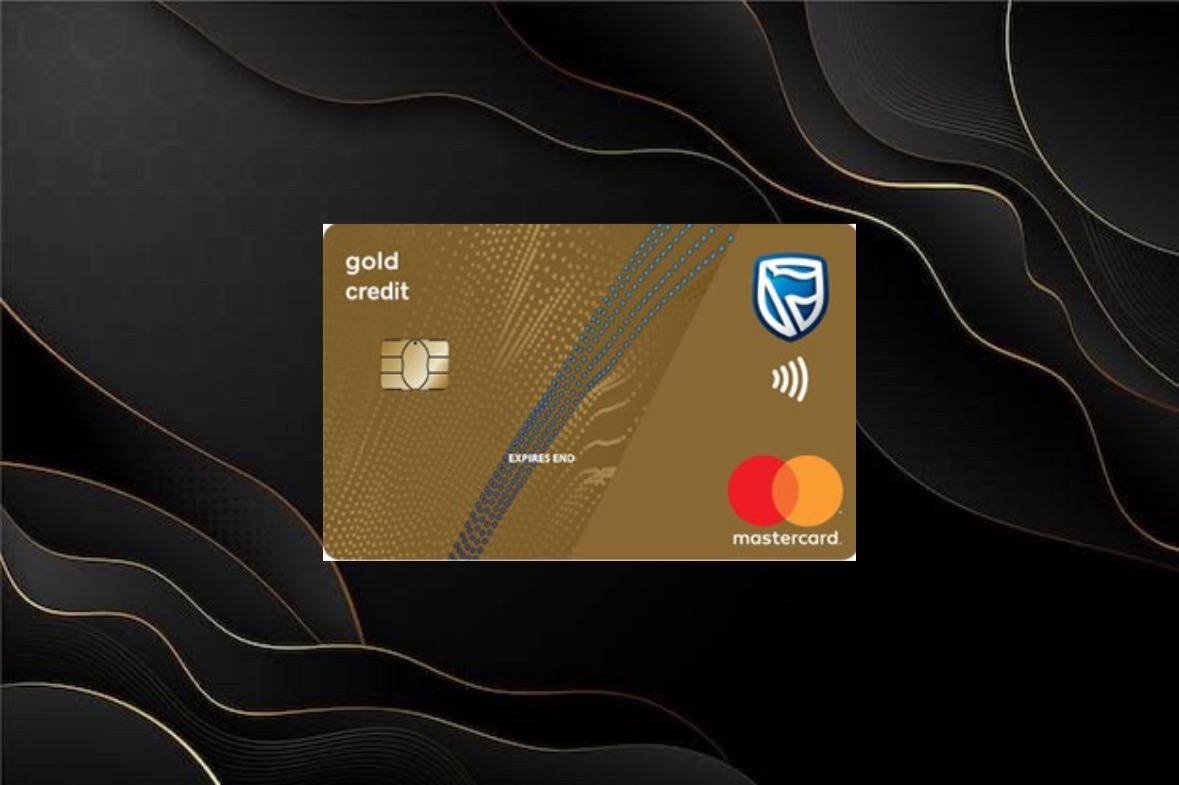
CREDIT CARD
GOLD CREDIT CARD
Looking for a dependable everyday card? Apply now.
GO TO OFFICIAL WEBSITE* You will be directed to an external website
Standard Bank provides a range of credit card choices, with the Mastercard Gold shining through with its numerous advantages at a lower price.
This card highlights travel benefits, exclusive deals, reservations, and personal luxuries.
To begin, there’s an initial fee of R190 along with a monthly fee of R63, which provides a credit limit of R250,000 and requires a minimum monthly payment of 3% for automated transactions.
This card features chip and PIN technology, enables contactless payments up to R500, and works seamlessly with SnapScan and Masterpass.
You can manage your Gold card through the online application or via phone. Don’t overlook the travel perks:
- Includes basic travel insurance;
- 20% discount on Emirates tickets;
- 10% cashback through Booking.com;
- 10% off luggage at Gopals;
- 10% off rentals with Rentalcars and 20% with Avis;
- 20% off flights via TravelStart;
- 15% off at IHG hotels.
If this card catches your eye, learn more about it.
Qualifications Needed

Standard Bank is transparent about the necessary application criteria for securing a credit card.
First off, you need to be at least 18 years old and officially registered in South Africa, either as a citizen or a foreign national with a valid work visa.
Additionally, you must provide proof of a minimum monthly income of R5,000. The bank will conduct a thorough review of your credit history.
Meanwhile, you can gather essential documents such as:
- Verify your income;
- Confirm your address;
- Provide last 3 pay slips;
- Submit a copy of your ID.
Remember, meeting these requirements does not guarantee card approval as it depends on availability.
How to Apply for the Gold Card at Standard Bank?
The Standard Bank site features a “Do I Qualify?” tool designed for those who are not bank clients.
By clicking this button, you’ll access an application form where you’ll provide your full name, South African ID number, contact number, monthly gross income, and your regular expenses.
Once you provide the necessary information, the bank will help you evaluate your requirements and explore card options.
If you already have a bank account, you can apply directly via online banking or the bank’s mobile app.
Log in with your username and password to view cards in the “Borrow” and “Personal Loan” sections.
If the card shows up as an option, you can proceed with your application.
If it’s not listed, contact the bank directly. You can also request the card by calling Standard Bank or visiting any branch throughout South Africa.
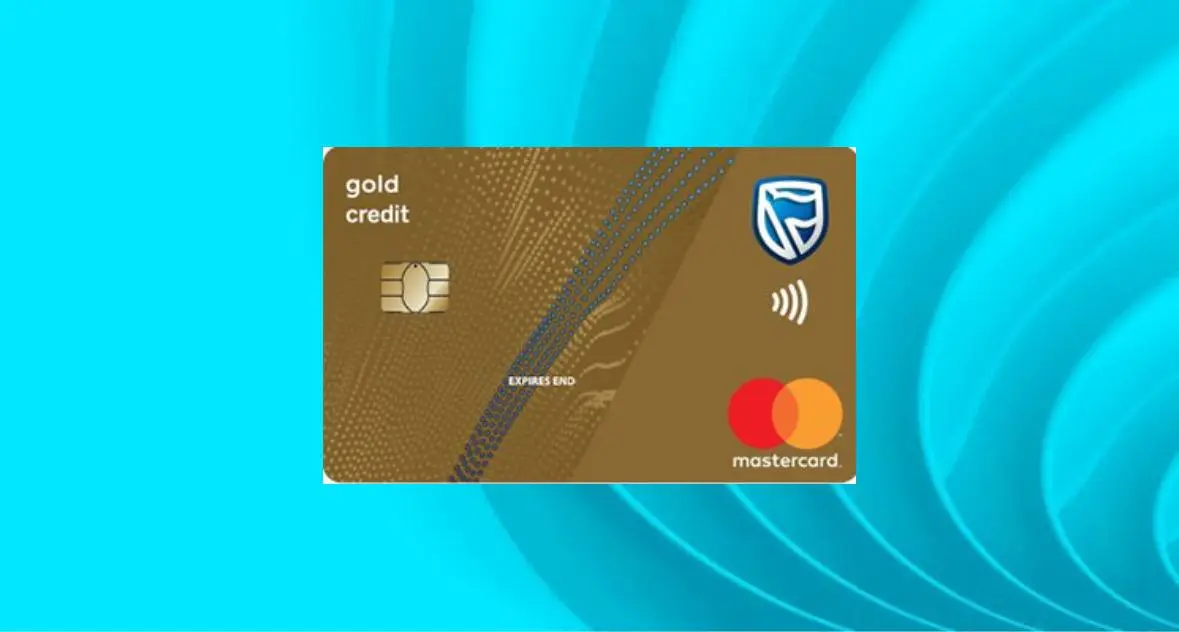
CREDIT CARD
GOLD CREDIT CARD
Like the conditions? Apply now.
GO TO OFFICIAL WEBSITE* You will be directed to an external website
Further Details
This card offers multiple benefits for your everyday needs, such as:
- Exclusive food deals;
- Up to 2 months free of Lingokids;
- 25% off first Fiit subscription;
- Mastercard Gamer Pass;
- 10% off surgeries with Mastercard.
Additionally, you can earn 3x UCount Rewards points through Standard Bank’s rewards program, which is tailored to your spending habits and credit history.
This credit card excels for both local and global transactions, providing secure payments whether you’re shopping online or in-store.
Interested in another option?
The Discovery Bank Platinum Suite offers fantastic perks, featuring Vitality Money for financial management and Discovery Miles for rewards on products, flights, or cash.
This card is packed with extra benefits, such as access through SAA partnerships, flight discounts, and strong security for daily transactions. Don’t miss out on how to apply.