
Upcoming Credit Card Fees: Anticipating Late Payment Charges Post-2025
Discover tariff changes post-2025 rule repeal
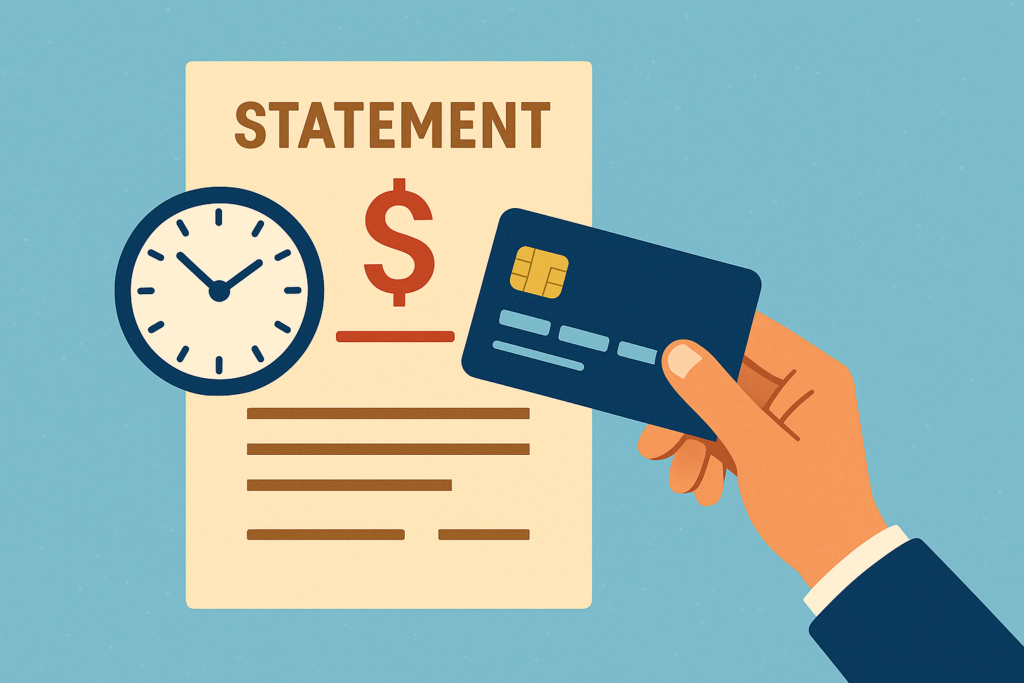
Starting in 2025, credit card regulations in the U.S. are set to evolve, leading to a key consumer query: will the fees for late payments change, and what will those costs look like?
Due to changing regulations, market dynamics, and influences from consumer advocates and card issuers, late fees are likely to be redefined.
If you use credit cards for daily purchases, travel, or unexpected expenses, it’s crucial to stay updated. Here’s what to anticipate and how these shifts might impact your finances in the near future.
Reasons Behind Changing Late Fees
For years, late fees have sparked a lively discussion among regulators, banks, and consumer advocates.
Regulators claim that hefty penalties add to the stress of families already dealing with debt. Meanwhile, issuers argue that these fees are essential to deter late payments and manage administrative expenses.
Starting in 2025, fresh federal guidelines and market changes are encouraging issuers to reassess their fee structures.
This transition means that many consumers might encounter new pricing strategies, updated penalty levels, and tighter enforcement of payment deadlines.
What to Anticipate After 2025
While the exact figures may differ by broadcaster, certain trends are expected to emerge consistently. Below, we’ve highlighted the key points to keep you updated on the entire process.
1. Clearer Fee Structures Ahead
Authorities are advocating for better disclosure practices. Starting in 2025, cardholders can look forward to more straightforward explanations regarding the computation of late fees and their applicability.
This will result in fewer unexpected charges on billing statements and a clearer understanding of how your payment habits influence your fees.
2. Possible Rise in Standard Late Fees
Some card issuers might impose late payment fees, particularly for premium cards or accounts with larger credit limits.
Factors like inflation, overhead costs, and risk evaluations frequently affect adjustments to fees.
Though not all institutions will increase fees, analysts expect that standard late fees might gradually go up.
3. Tiered Penalty Structures
Rather than a single flat fee, some companies may implement tiered late payment charges based on certain criteria. We outline these below.
- Days your payment is overdue;
- Your credit score;
- Your payment history;
- The card type you possess.
This framework enables issuers to impose harsher penalties on habitual late payers, while reserving lighter consequences for those who occasionally miss payments.
4. Tighter Enforcement of Due Times
While consumers typically focus on the due date, many issuers are becoming stricter about the exact due time. Starting in 2025, missing a cutoff by just a few minutes could result in a late fee.
Digital transactions are usually swift, but if you schedule them too close to the deadline, processing delays might still incur fees. This is especially crucial for those using automatic bill pay or third-party payment services.
Impact of Changes on Your Credit Score
While late fees don’t directly harm your credit score, the actions leading to them can. A payment that’s over 30 days late can be reported to credit agencies and:
- Hurt your credit score;
- Raise interest rates on future loans;
- Limit your chances of getting loans or high-end cards.
With tighter rules and possible fee hikes, consumers may feel increased pressure to make timely payments.
Take Action Now to Save Later
Credit card late fees are changing, and while these modifications differ between issuers, one thing is certain: companies are recalibrating their strategies, and consumers must remain vigilant.
Grasping how fees might evolve post-2025 enables smarter financial choices, safeguards your credit rating, and helps you steer clear of extra charges.
Whether the changes mean clearer policies, graduated fees, or tighter deadlines, the key to success remains making timely payments.
By being a bit proactive and aware, you can confidently navigate this evolving environment and ensure your credit card serves you well.
Conteúdo Recomendado
Uncommon Insurance Types You Never Knew Existed
Explore the most uncommon insurance types you never knew existed.
Continuar Lendo * You will remain on the current site Uncommon Insurance Types You Never Knew Existed
Continuar Lendo You will remain on the current website