
Comparing fixed and variable rate loans: your essential guide before borrowing
Your complete guide to fixed vs variable rate loans
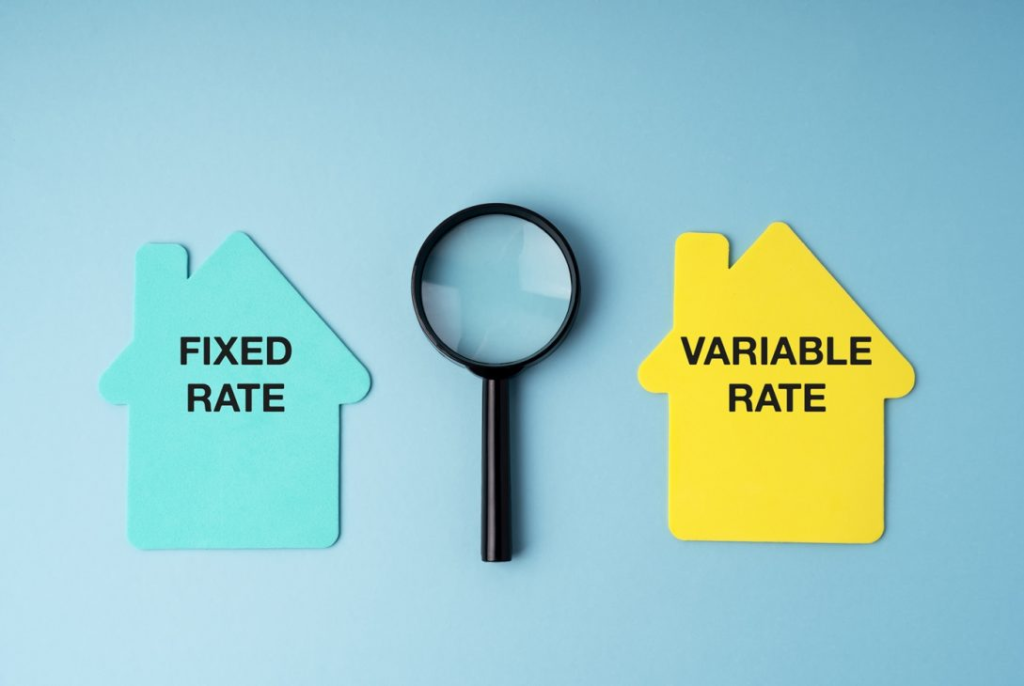
Selecting the right loan can be daunting, especially with lenders presenting various interest rate options, each carrying distinct terms and long-term consequences. In the U.S., fixed-rate loans and variable-rate loans are the two primary types you’ll come across when tackling significant expenses like a home purchase, vehicle, education costs, or consolidating debt.
Grasping how these loan types function and their impact on your monthly finances is crucial before entering any agreement.
This comprehensive guide covers all the essentials regarding fixed and variable rates, detailing their mechanics, benefits, risks, and how to choose the right option for your financial circumstances.
What is a Fixed-Rate Loan?
A fixed-rate loan means your interest rate remains constant throughout the life of the loan.
No matter if it’s a 30-year mortgage, a 5-year auto loan, or a 10-year personal loan, your monthly payment stays the same since the interest rate doesn’t change with the market.
Understanding the Process
- Your lender sets a rate upon approval;
- Market fluctuations do NOT impact your rate;
- Your payment remains consistent monthly until the loan is fully paid.
Popular Fixed-Rate Loans in the U.S.
- Fixed-rate mortgages for 15 or 30 years;
- Federal student loans available;
- Loans for purchasing vehicles;
- Loans for personal use;
- Loans to consolidate debts.
Advantages of Fixed Rates
- Predictability: Payments remain constant, making budgeting easier;
- Rate protection: Your loan stays the same even if interest rates increase;
- Easy to grasp: No complicated formulas or market shifts.
Disadvantages
- Initial cost: Fixed loans often have a higher starting interest rate than variable ones.
- Reduced flexibility: You could miss out on savings if rates drop significantly.
What Is a Variable-Rate Loan?
A variable-rate loan (also known as an adjustable-rate loan) features an interest rate that fluctuates over time.
These loans typically begin with a reduced introductory rate, but after a specific duration, the rate adjusts according to a financial index like the SOFR (Secured Overnight Financing Rate).
How it works
- You start with a low promotional rate;
- After the introductory phase (usually between 6 months to 10 years), the rate updates periodically, whether monthly, quarterly, or annually;
- Your monthly payment may fluctuate based on market conditions.
Common Types of Variable Loans
- Adjustable-rate mortgages;
- Some private student loans;
- Certain credit cards;
- Home equity lines of credit;
Advantages of Variable Rates
- Lower initial payments: Enjoy reduced costs upfront;
- Possible cost savings: Payments may drop if rates fall;
- Great for short-term loans: Best for early payoff plans.
Considerations
- Unexpected Costs: Monthly payments may surge unexpectedly;
- Increased Total Expenses: Rising rates could lead to higher overall payments;
- Planning Difficulties: Variable payments complicate budgeting efforts.
Fixed vs. Variable: Which One Suits You Best?
Selecting the right interest rate hinges on your financial health, comfort with risk, and future objectives.
If you prefer stable monthly payments, plan to hold onto your loan for a long time, or anticipate rising interest rates, a fixed-rate loan may be your best bet.
This option is also perfect for those buying a long-term residence, like a standard 30-year mortgage, and for borrowers with consistent income who seek financial stability.
If your goal is to achieve the lowest initial payments, a variable-rate loan might be the perfect fit for you.
This loan option is ideal for those who plan to sell or refinance before rates change, anticipate a decrease in market rates, or are okay with some financial unpredictability.
It can also be beneficial for short-term borrowers or anyone who aims to pay off the loan sooner.
Conclusion
There’s no one-size-fits-all answer; it all depends on your unique financial situation. If you prefer to avoid risk or are thinking long-term, a fixed-rate loan offers security and consistency.
If you’re aiming for quick savings or plan to pay off your loan soon, a variable-rate option could be a great way to save money right from the start.
Taking out a loan is a significant commitment. Grasping the effects of fixed versus variable rates on your finances can empower you to make smarter borrowing choices and steer clear of unexpected costs later on.
Conteúdo Recomendado
Unique Insurance Types You Didn’t Know About
Explore unique insurance types that may surprise you.
Continuar Lendo * You will remain on the current site