
One Flat Rate, No Categories to Track: Simple Cash Back for Students
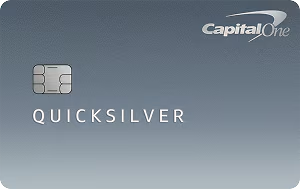
Tracking bonus categories takes effort. If you’d rather not remember what earns 3% this month, a flat rate removes that step entirely.
The Capital One Quicksilver Student Cash Rewards pays the same 1.5% on everything, from rent-adjacent purchases to your morning coffee, with no exclusions to memorize.
Check before you apply, not after
You can see if you’re likely to qualify before submitting anything.
That pre-check uses a soft inquiry, so it won’t affect your credit score.
What this card actually costs
| Annual fee | $0 |
| Regular APR | 18.49% – 28.49% variable |
| Credit score needed | Little to no credit, or fair credit (roughly 650–700) |
| Foreign transaction fee | $0 |
| Reports to bureaus | Equifax, Experian, TransUnion |
Rewards are simple: 1.5% cash back on every purchase, plus 5% on hotels and rental cars booked through the Capital One Travel portal. No quarterly categories, no spending caps, no tracking required.
There’s also a current welcome offer of $100 after spending $300 in the first three months. Welcome offers are time-limited and can change, so confirm the current terms directly with Capital One before applying.
See more card optionsWhat that actually looks like on real spending
| If you spend this per month | You could earn |
|---|---|
| $150 on dining | $2.25/month |
| $50 on streaming | $0.75/month |
| $200 on groceries | $3.00/month |
| $150 on everything else | $2.25/month |
| Total: $550/month | $8.25/month, about $99/year |
This is an estimate at the flat 1.5% rate, not a guaranteed amount. Actual rewards depend on your real spending.
How this compares to a regular credit card
| Capital One Quicksilver Student Cash Rewards | Typical card requiring established credit | |
|---|---|---|
| Credit score needed | Little to no credit, or fair credit | Good to excellent (670+) |
| Annual fee | $0 | $0 to $95 |
| Average market APR | 18.49% – 28.49% | 20.97% average across all US cards |
Source for the market average: Federal Reserve, Consumer Credit report (G.19).
One rule to know before you apply
If you’re under 21, federal law requires proof of independent income, or a cosigner over 21.
Most issuers, including Capital One, no longer accept cosigners.
So your own income is usually what decides approval. Leftover scholarship or grant money after tuition counts too.
Is this card actually right for you?
It’s a good fit if:
- You want one flat rate and nothing to track.
- Your spending doesn’t concentrate in one or two categories.
- You have little to no credit, or fair credit already.
It’s probably not the best fit if:
You want cash back that doubles automatically in your first year. In that case, check the Discover card on this page instead.
Most of your spending is dining, streaming, or groceries and you want to maximize that specifically. In that case, check the Savor Student card on this page instead.
What this card builds toward
Every on-time payment gets reported to all three credit bureaus.
Your FICO score is built from these factors, in this order of weight:
| Factor | Weight in your score |
|---|---|
| Payment history | 35% |
| Credit utilization | 30% |
| Length of credit history | 15% |
| Credit mix | 10% |
| New credit inquiries | 10% |
Paying on time and keeping your balance low covers 65% of your score on its own.
This content is for informational purposes only and doesn’t replace financial advice. Approval isn’t guaranteed, and terms can change. Confirm current rates directly with Capital One before applying.
See if you qualify